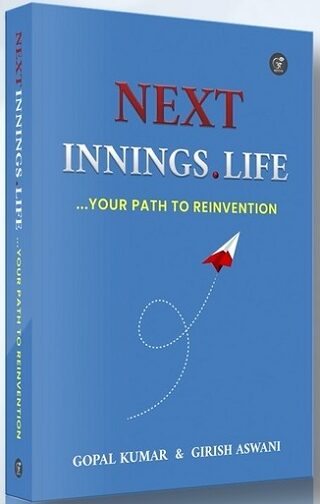


Are you considering a career change at 30, but worried, in the Next Innings you don’t have the experience? If so, you’re not alone. Many professionals in their 30s find themselves feeling stuck, unfulfilled, or curious about exploring new paths. Although it might seem daunting to start over, especially with no formal experience in a new field, it’s absolutely possible—and often life-changing.
In fact, making a career switch at 30 can be one of the most strategic and empowering decisions of your life. The key is to approach it with the right mindset, clear planning, and consistent action. In this guide, we’ll break down how you can successfully pivot into a new career—even if you’re starting from scratch.
Why a Career Change at 30 Isn’t Too Late
To begin with, your 30s are often the perfect time to change careers. By now, you’ve likely gained a better understanding of your strengths, values, and long-term goals. Moreover, you still have decades ahead to grow in a new field. Therefore, it’s an ideal window to reset and realign.
Unlike popular belief, starting over doesn’t mean starting from zero. In fact, you bring transferable skills, life experience, and maturity that many employers appreciate. Whether you’re moving from hospitality to tech, finance to coaching, or education to design—your prior experiences still hold value.
Step 1: Identify Your “Why” for a Career Change at 30
First and foremost, you need to get crystal clear about why you want to change careers. Without a strong reason, it’s easy to lose motivation during the transition.
Ask yourself:
-
What isn’t working in my current job?
-
What type of work energizes and excites me?
-
What lifestyle am I aiming to build?
Once you understand your “why,” you’ll be more focused and resilient. Additionally, it helps you define what kind of career aligns with your future goals.
Step 2: Choose a Career That Excites You
After understanding your motivation, it’s time to research industries that interest you. Fortunately, there are countless online resources, podcasts, and free webinars to explore different paths.
Furthermore, consider:
-
Job market demand in your area or remotely
-
Earning potential and career growth
-
Alignment with your personality and values
Remember, it’s okay to start small. Even if you’re unsure, experimenting can bring clarity.
Step 3: Highlight Your Transferable Skills
Even though you might not have direct experience, that doesn’t mean you lack value. On the contrary, you probably have many transferable skills such as communication, leadership, time management, or problem-solving.
For instance:
-
Were you managing teams in your previous job? That’s leadership.
-
Did you handle clients or resolve complaints? That’s customer service.
-
Were you organizing schedules or budgets? That’s project management.
So, instead of focusing on what you lack, spotlight what you bring to the table.
Step 4: Learn What You Need—But Don’t Overdo It
Admittedly, you may need to upskill or earn certifications. However, don’t fall into the trap of endless learning without execution.
Instead:
-
Take short online courses on platforms like Udemy or Coursera
-
Watch YouTube tutorials to build basic knowledge
-
Try freelancing or internships to gain real experience
Moreover, create a learning plan with deadlines to stay on track. By applying what you learn as you go, you’ll grow much faster.
Step 5: Create a Resume That Reflects Your New Direction
Next, tailor your resume to fit the industry you’re moving into in your Next Innings. Focus on results, not just responsibilities. Use action verbs, highlight achievements, and clearly show how your skills are relevant.
Additionally Career Change at 30:
-
Write a compelling cover letter explaining your career shift
-
Optimize your LinkedIn profile with your new goal in mind
-
Share thought-leadership posts or articles in your area of interest
Remember, employers care about value—not just experience. So, show them how you can solve their problems.
Step 6: Network With Purpose
Surprisingly, most job offers come from connections rather than applications. Therefore, make networking part of your weekly routine.
Try this:
-
Reach out to people working in your target role
-
Join LinkedIn groups and local meetups
-
Attend industry webinars or virtual conferences
By building genuine relationships, you open doors to referrals, mentorship, and advice that you won’t find in job listings.
Step 7: Take Imperfect Action
Finally, take that first step—even if it feels uncomfortable. Whether it’s applying to an entry-level job, starting a blog, or launching a side hustle, the act of doing builds momentum.
While waiting for the “perfect time” may seem wise, action is what gets results. Besides, every mistake teaches you something valuable. So, keep going.

Conclusion: Your Career Change at 30 Can Be the Best Decision You Ever Make
To sum it up, a career change at 30 with no experience is not only possible—it can be powerful. With intention, strategy, and persistence, you can move into a career that energizes and fulfills you.
📘 Want more guidance on reinventing your path?
Check out [NextInnings.life]—a powerful resource for anyone ready to take their next step with confidence.